Understanding Neurodevelopment
What happens when someone is trying their hardest, but something about learning, processing or everyday functioning still seems unnecessarily difficult?
That question has been at the heart of Sue Cook’s work for decades.
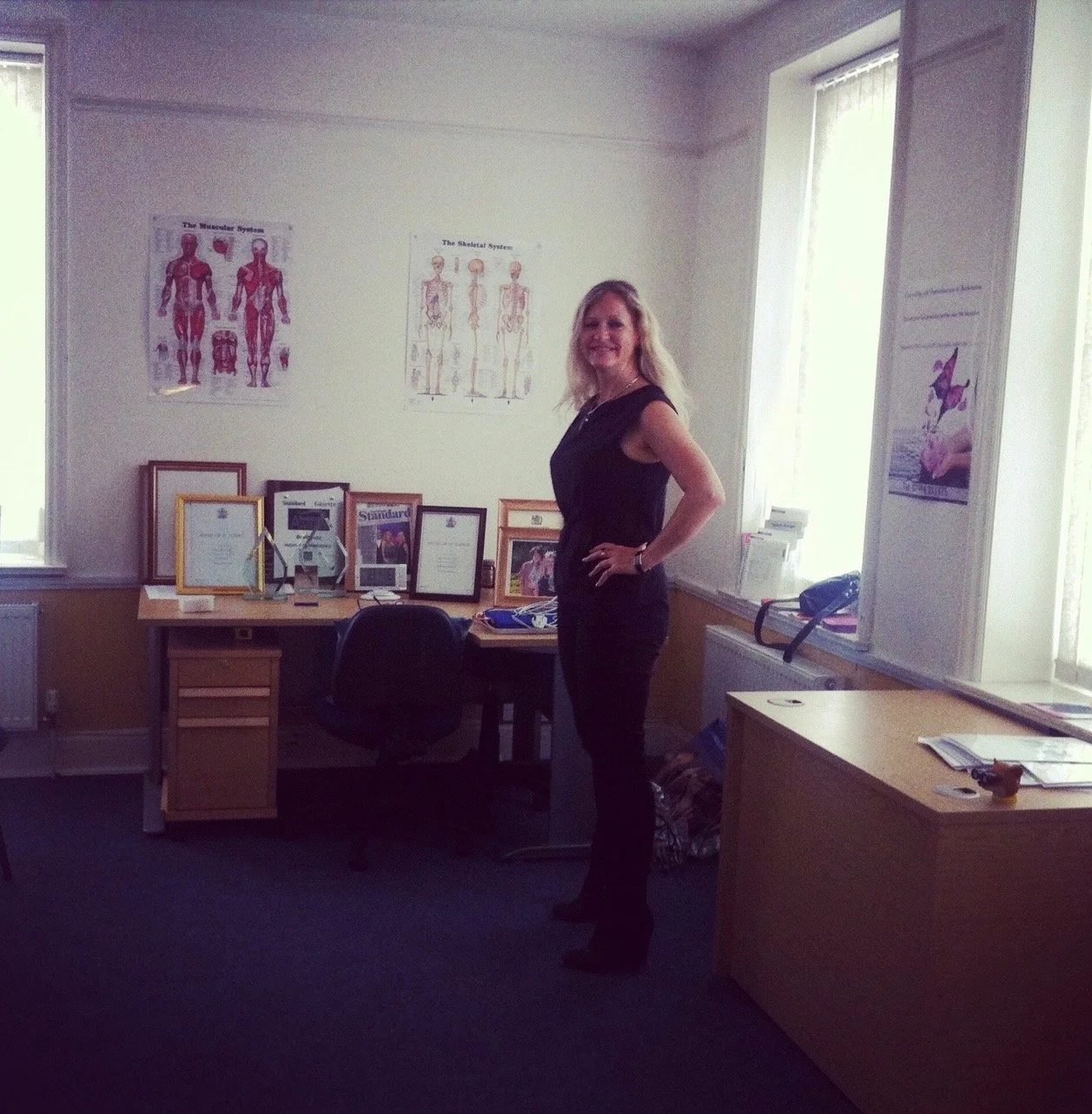
Sue has been a therapist since 1996 and has specialised in neurodevelopment since 2007. She now works with children, young people and adults at Albany Health, providing specialist neurodevelopment support in Woodbridge to help people understand the underlying factors that can affect learning, processing, coordination, attention and everyday functioning..
Her approach is individual, practical and focused on understanding how the brain and body develop and work together.
Rather than starting with a label and assuming that everyone with the same difficulty needs the same intervention, Sue looks at the individual and asks a more fundamental question:
“What’s happening underneath this?”
When ability and performance don’t match
One of the things Sue sees regularly is a mismatch between what someone appears capable of and what they are actually able to do consistently.
A child may be bright but struggle enormously with reading.
Someone may understand something when it is explained but find it difficult to process information quickly.
An adult may know exactly what they want to say but struggle to organise their thoughts.
Someone may find particular aspects of movement, coordination, sequencing, attention or sensory processing unexpectedly difficult.
These difficulties can be frustrating, particularly when the person knows they are capable of more.
They can also be misunderstood.
The assumption that someone simply needs to concentrate harder, practise more or try harder doesn’t always address what is actually going on.
Looking beneath the label
Sue’s neurodevelopmental work explores the underlying processes that support learning and everyday functioning.
These can include areas such as:
• sensory processing
• coordination and motor development
• balance and movement
• sequencing
• visual and auditory processing
• attention
• memory
• reading and writing
• mathematical processing
• organisation and learning skills
The important thing is that there isn’t a standard neurodevelopmental profile.
Two people may have the same diagnosis, or apparently similar difficulties, while having very different underlying needs.
That’s why Sue takes an individual approach rather than applying a one-size-fits-all programme.
Why movement can matter
A key part of Sue’s work involves movement-based neurodevelopmental exercises.
At first, this can seem surprising. If someone is struggling with reading or maths, why would movement be relevant?
Development doesn’t happen in isolated compartments.
The brain is continually integrating information from movement, balance, vision, hearing and the senses, while coordinating attention, perception and action.
Exploring these underlying systems can therefore form an important part of supporting someone’s ability to access learning and everyday activities.
The work isn’t simply about doing more of the thing that is already proving difficult.
Sometimes changing the foundations changes what becomes possible on top of them.
Learning Difficulty Support in Woodbridge for Children and Adults
Sue works with a wide range of people, from children experiencing difficulties at school to adults who have spent years trying to understand why particular aspects of life seem harder than they should.
For parents, that can mean looking beyond the immediate problem and gaining a better understanding of their child’s individual developmental profile.
For adults, it can mean exploring longstanding difficulties with learning, processing, organisation, coordination or attention from a different perspective.
The aim isn’t to define someone by their difficulties.
It is to understand them better.
Almost 30 years of therapeutic practice in Neurodevelopment
Sue’s work has evolved considerably since she began working as a therapist in 1996, but one thing has remained consistent: curiosity about what lies beneath the presenting problem.
Her specialist focus on neurodevelopment began in 2007, giving her almost two decades of experience in this field.
That experience has reinforced an important principle in her work:
Difficulty doesn’t automatically mean lack of ability, intelligence or effort.
Sometimes the most useful question isn’t:
“Why can’t they do this?”
It’s:
“What is getting in the way?”
And once we understand that, we have somewhere much more useful to begin.
Alongside her neurodevelopmental practice, Sue has worked for many years with other therapeutic approaches, including classical homeopathy and EMDR.
She is also an author and creator of educational resources exploring the brain, learning and human behaviour. Her wider Brainbuzzz work includes books, courses and resources for people interested in understanding themselves and their brains differently.
To explore Sue’s wider work, books, courses and resources, visit her Brainbuzzz Linktree.
If you are looking for individual learning difficulties support in Woodbridge, contact Sue at Albany Health today to explore how she can help.